Buy timber-wolf.eu ?
We are moving the project
timber-wolf.eu .
Are you interested in purchasing the domain
timber-wolf.eu ?
domain@kv-gmbh.de · 0541-91531010
Buy timber-wolf.eu ?
Are vacuoles large vesicles?
Yes, vacuoles are large vesicles found in the cells of plants and some other organisms. They are membrane-bound organelles that can vary in size and function. Vacuoles play a role in storing nutrients, maintaining turgor pressure, and regulating the cell's internal environment. Their size and function can vary depending on the type of cell and organism. **
Why do plant cells not have vacuoles?
Plant cells do have vacuoles. Vacuoles are membrane-bound organelles found in plant cells that store water, nutrients, and waste products. They play a crucial role in maintaining turgor pressure, storing nutrients, and regulating cellular processes. Without vacuoles, plant cells would not be able to maintain their structure and function properly. **


Similar search terms for Vacuoles
Top-Angebote
Products related to Vacuoles:
-
Skip's Garage Nevada Wolf Pack Cornhole Board Set"These boards are Regulation Sized 2x4 (24"" Wide x 48"" Long). They are built with Premium Wood 1x4 Frames and Solid Wood 2x3's for the legs. Both boards feature a 1/2"" Sanded Birch Plywood Surface for perfect playability."306,49 $*Shipping: 0,00 $Secure redirect to the provider
-
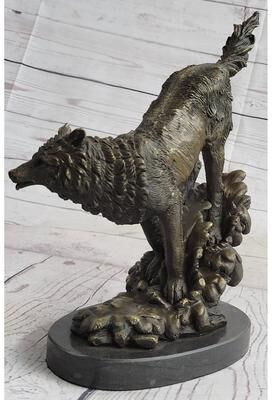
Bronzhaus Running Imitative Wolf Bronze Metal Statue Sculpture Wildlife Decor On Marble Base 9.5 Inches X 10 InchesCondition: This sculpture is in perfect condition Bronze Dimensions with Marble Base: Height 9.5 inches X Width 10 inches Marble Dimensions: Diameter 6 inches Height without base:8.5 inches Weight:8 LBS Inventory:78YDW1085687 Original or Reproduction:…295,49 $*Shipping: 0,00 $Secure redirect to the provider


-
Can a plant cell have 2 vacuoles?
Yes, a plant cell can have multiple vacuoles. While most plant cells typically have one large central vacuole, some plant cells may have multiple smaller vacuoles. These vacuoles serve various functions such as storing nutrients, maintaining turgor pressure, and storing waste products. The number and size of vacuoles can vary depending on the specific needs of the cell and the stage of development. **
-
Why don't humans or animals have vacuoles?
Humans and animals do not have vacuoles because they do not need them for the same purposes as plant cells. Vacuoles in plant cells serve functions such as storing nutrients, maintaining turgor pressure, and storing waste products. Humans and animals have different organelles and systems that serve similar functions, such as lysosomes for waste disposal and storage organelles for nutrients. Therefore, vacuoles are not necessary for the functioning of human and animal cells. **
-
Why do animal cells not have vacuoles?
Animal cells do not have vacuoles because they do not require the same level of storage and structural support as plant cells. Vacuoles in plant cells serve to store nutrients, maintain turgor pressure, and aid in the digestion of waste materials. Animal cells have lysosomes and other organelles that perform similar functions, but they do not have a large central vacuole like plant cells. Instead, animal cells have a more diverse range of organelles to meet their specific needs for survival and function. **
-
Why are lysosomes, vacuoles, and microtubules important?
Lysosomes are important because they contain enzymes that break down waste materials and cellular debris, helping to maintain the overall health and function of the cell. Vacuoles are important for storing nutrients, waste products, and maintaining turgor pressure in plant cells. They also play a role in maintaining the cell's shape and structure. Microtubules are important for providing structural support to the cell, as well as serving as tracks for the movement of organelles and vesicles within the cell. They are also involved in cell division and the maintenance of cell shape. Overall, these organelles and structures are essential for the proper functioning and maintenance of the cell. **


Why do paramecia in the sea not have pulsating vacuoles?
Paramecia in the sea do not have pulsating vacuoles because they do not need them to regulate water balance. In a marine environment, the concentration of salt outside the cell is similar to that inside the cell, so there is no need for the paramecia to actively pump out excess water. Pulsating vacuoles are more commonly found in freshwater paramecia, where they help regulate water balance by pumping out excess water that enters the cell due to osmosis. **
'Forest or wildlife?'
Both forests and wildlife are important components of our ecosystem. Forests provide habitats for a wide variety of wildlife species, while wildlife plays a crucial role in maintaining the balance of the ecosystem. It is essential to protect both forests and wildlife to ensure the health and sustainability of our planet. Conservation efforts should focus on preserving both forests and wildlife to maintain biodiversity and promote a healthy environment for future generations. **
Top-Angebote
Products related to Vacuoles:
-
Skip's Garage Nevada Wolf Pack Cornhole Board Set"These boards are Regulation Sized 2x4 (24"" Wide x 48"" Long). They are built with Premium Wood 1x4 Frames and Solid Wood 2x3's for the legs. Both boards feature a 1/2"" Sanded Birch Plywood Surface for perfect playability."306,49 $*Shipping: 0,00 $Secure redirect to the provider
-
Are vacuoles large vesicles?
Yes, vacuoles are large vesicles found in the cells of plants and some other organisms. They are membrane-bound organelles that can vary in size and function. Vacuoles play a role in storing nutrients, maintaining turgor pressure, and regulating the cell's internal environment. Their size and function can vary depending on the type of cell and organism. **
-
Why do plant cells not have vacuoles?
Plant cells do have vacuoles. Vacuoles are membrane-bound organelles found in plant cells that store water, nutrients, and waste products. They play a crucial role in maintaining turgor pressure, storing nutrients, and regulating cellular processes. Without vacuoles, plant cells would not be able to maintain their structure and function properly. **
-
Can a plant cell have 2 vacuoles?
Yes, a plant cell can have multiple vacuoles. While most plant cells typically have one large central vacuole, some plant cells may have multiple smaller vacuoles. These vacuoles serve various functions such as storing nutrients, maintaining turgor pressure, and storing waste products. The number and size of vacuoles can vary depending on the specific needs of the cell and the stage of development. **
-
Why don't humans or animals have vacuoles?
Humans and animals do not have vacuoles because they do not need them for the same purposes as plant cells. Vacuoles in plant cells serve functions such as storing nutrients, maintaining turgor pressure, and storing waste products. Humans and animals have different organelles and systems that serve similar functions, such as lysosomes for waste disposal and storage organelles for nutrients. Therefore, vacuoles are not necessary for the functioning of human and animal cells. **
Similar search terms for Vacuoles
-
Bronzhaus Running Imitative Wolf Bronze Metal Statue Sculpture Wildlife Decor On Marble Base 9.5 Inches X 10 InchesCondition: This sculpture is in perfect condition Bronze Dimensions with Marble Base: Height 9.5 inches X Width 10 inches Marble Dimensions: Diameter 6 inches Height without base:8.5 inches Weight:8 LBS Inventory:78YDW1085687 Original or Reproduction:…295,49 $*Shipping: 0,00 $Secure redirect to the provider
-
Why do animal cells not have vacuoles?
Animal cells do not have vacuoles because they do not require the same level of storage and structural support as plant cells. Vacuoles in plant cells serve to store nutrients, maintain turgor pressure, and aid in the digestion of waste materials. Animal cells have lysosomes and other organelles that perform similar functions, but they do not have a large central vacuole like plant cells. Instead, animal cells have a more diverse range of organelles to meet their specific needs for survival and function. **
-
Why are lysosomes, vacuoles, and microtubules important?
Lysosomes are important because they contain enzymes that break down waste materials and cellular debris, helping to maintain the overall health and function of the cell. Vacuoles are important for storing nutrients, waste products, and maintaining turgor pressure in plant cells. They also play a role in maintaining the cell's shape and structure. Microtubules are important for providing structural support to the cell, as well as serving as tracks for the movement of organelles and vesicles within the cell. They are also involved in cell division and the maintenance of cell shape. Overall, these organelles and structures are essential for the proper functioning and maintenance of the cell. **
-
Why do paramecia in the sea not have pulsating vacuoles?
Paramecia in the sea do not have pulsating vacuoles because they do not need them to regulate water balance. In a marine environment, the concentration of salt outside the cell is similar to that inside the cell, so there is no need for the paramecia to actively pump out excess water. Pulsating vacuoles are more commonly found in freshwater paramecia, where they help regulate water balance by pumping out excess water that enters the cell due to osmosis. **
-
'Forest or wildlife?'
Both forests and wildlife are important components of our ecosystem. Forests provide habitats for a wide variety of wildlife species, while wildlife plays a crucial role in maintaining the balance of the ecosystem. It is essential to protect both forests and wildlife to ensure the health and sustainability of our planet. Conservation efforts should focus on preserving both forests and wildlife to maintain biodiversity and promote a healthy environment for future generations. **
* All prices are inclusive of VAT and, if applicable, plus shipping costs. The offer information is based on the details provided by the respective shop and is updated through automated processes. Real-time updates do not occur, so deviations can occur in individual cases. ** Note: Parts of this content were created by AI.